

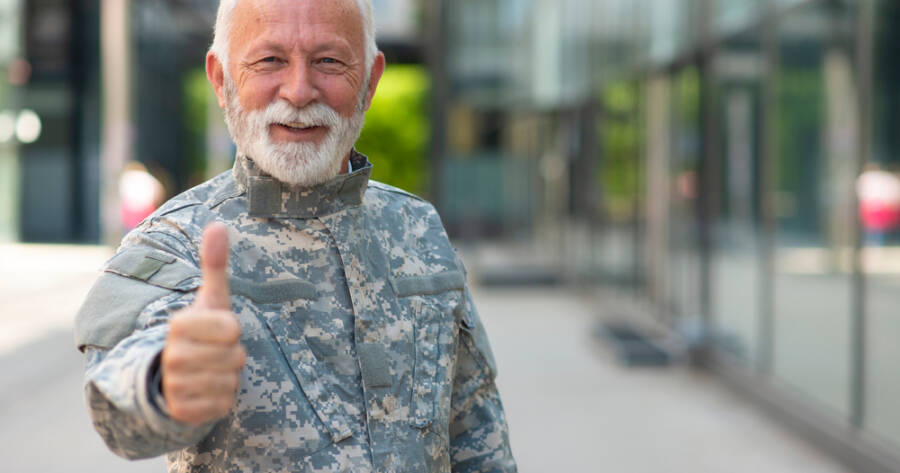
Service in the military comes with lasting benefits designed to support life during and after duty. From education and housing to health care and financial assistance, a wide range of programs exists to recognize that commitment. Understanding what is available and how to access it can make a meaningful difference in building stability, opportunity, and long-term security after service.
Education, Training, and Career Support Opportunities
Education benefits remain one of the most valuable resources available to veterans. Programs like the Post-9/11 GI Bill help cover tuition, housing, and training costs, making it easier to pursue degrees or specialized certifications. In some cases, unused benefits can even be transferred to a spouse or dependent, extending the impact beyond the individual.
Career support also plays a major role in the transition to civilian life. Veterans can access educational and career counseling services that provide guidance on job placement, resume development, and training pathways. Programs like Veteran Readiness and Employment (VR&E) are designed to help individuals with service-connected disabilities find and maintain meaningful employment.
Housing, Insurance, and Financial Stability Benefits
Homeownership is more accessible through VA-backed home loans, which often require no down payment and offer competitive interest rates. Veterans must first obtain a Certificate of Eligibility (COE), confirming their qualification for this benefit. This program can be used to buy, build, improve, or refinance a home.
Financial security extends beyond housing through life insurance options and pension programs. Veterans may qualify for coverage like Veterans’ Group Life Insurance (VGLI) after leaving service. Those with limited income, especially wartime veterans, may be eligible for pension benefits, with additional support available for individuals who require daily assistance or are housebound.
Health Care and Disability Compensation
Access to health care remains a critical benefit for veterans. After separation or retirement, eligible individuals can apply for VA health care, which provides a range of medical services. Combat veterans may qualify for enhanced eligibility for a limited period, offering expanded access to care during the transition period.
Disability compensation is available for conditions connected to military service. Veterans can file claims to receive monthly payments based on the severity of their condition. Filing early, especially through pre-discharge programs, can speed up the process. Additional support, such as housing grants, may also be available for those with service-related disabilities.
Business Support and Additional Long-Term Benefits
Veterans interested in entrepreneurship can access programs designed to support small business ownership. Registration opportunities and specialized resources help veteran-owned businesses compete for contracts and grow sustainably. Service-disabled veterans may qualify for additional recognition and support within this space.
Long-term planning benefits are also available, including burial eligibility in a VA national cemetery and pre-need determination options. This allows veterans and their families to prepare in advance, easing future logistical challenges. Additional life insurance and financial tools further contribute to long-term stability and peace of mind.
Taking the First Step Toward Your Benefits
Applying for veteran benefits has become more accessible through online platforms like VA.gov. Many applications, including those for disability compensation, education benefits, and health care, can be completed digitally using standardized forms. This streamlined process helps reduce paperwork and speeds up access to support.
Gathering essential documents, such as a DD214 or other service records, is an important early step. Veterans can also manage benefits online, update personal information, and track application progress through secure accounts. Taking action early and staying informed can help ensure that earned benefits are fully utilized, supporting a smoother transition into civilian life.