

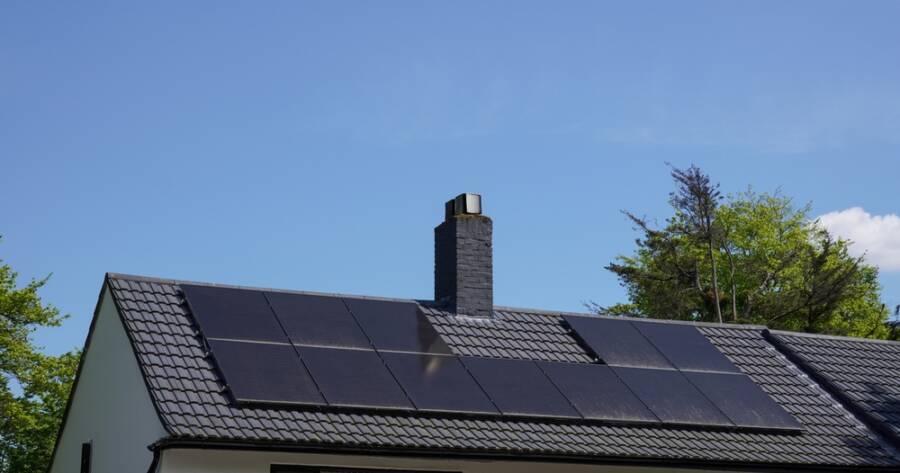
Solar panels are transforming modern homes by offering sustainable energy solutions and significant cost savings. With federal tax incentives and technological advancements, homeowners can enjoy reduced electricity bills and environmental benefits. Understand the financial, environmental, and technological aspects of solar energy, as well as how different systems can enhance energy independence and sustainability.
The Rise of Solar Panels in Modern Homes
Solar panels have become a staple in modern homes, driven by the need for sustainable energy solutions and the desire to reduce electricity costs. The affordability of solar panels has significantly improved, thanks in part to the federal residential solar tax credit, which allows homeowners to claim a 30% tax credit on the cost of solar systems (source). This incentive is set to decrease after January 1, 2033, prompting many to invest in solar energy sooner rather than later.
Financial and Environmental Benefits
One of the most compelling reasons for adopting solar panels is the financial savings they offer. Homeowners can save significantly on their monthly utility bills, with average savings of approximately $1,500 per year (source). This is particularly beneficial in areas with high electricity rates. Additionally, solar panels protect against rising electricity costs and offer a return on investment within 7 to 10 years (source).
Beyond financial savings, solar panels contribute to environmental sustainability by reducing carbon footprints and improving air quality. They produce electricity without harmful emissions and help conserve water, as traditional energy production from fossil fuels requires significant water withdrawals (source).
Technological Advancements in Solar Panels
Modern solar panels have evolved with advanced technologies such as high-efficiency and thin-film options. High-efficiency panels, like tandem and bifacial panels, maximize energy production by capturing a broader spectrum of light, making them ideal for homes with limited roof space. Thin-film panels offer flexibility and aesthetic appeal, suitable for unconventional surfaces and unique architectural designs (source).
Smart solar systems and energy management technologies further enhance the efficiency of home solar systems. These systems provide real-time data on electricity production, consumption, and storage, allowing homeowners to optimize their energy use. Battery storage solutions, such as the Tesla Powerwall, increase energy independence and reduce reliance on the grid (source).
Solar Panel Systems and Their Applications
There are three main types of solar panel systems for homes: grid-tied, off-grid, and hybrid systems. Grid-tied systems connect to the local electrical grid, allowing homeowners to sell excess energy back to the grid. Off-grid systems operate independently and require battery storage, while hybrid systems combine both features to provide flexibility and reliability (source).
Solar panels are not limited to single-family homes; they are also applicable to multifamily housing and commercial properties. These installations reduce operating costs and appeal to environmentally conscious tenants and customers, promoting eco-friendly communities and businesses (source).
Why You Should Learn More About Solar Panels
Solar panels offer a multitude of benefits, from financial savings and environmental sustainability to technological advancements and increased home value. As the technology continues to evolve and government incentives remain available, now is an opportune time to explore solar energy solutions for modern homes. Understanding the various systems and their applications can help homeowners make informed decisions that align with their energy needs and sustainability goals.